Amore Behavior & Mental Health
9010 SW 137 AVE
SUITE 101, MIAMI, FL 33186





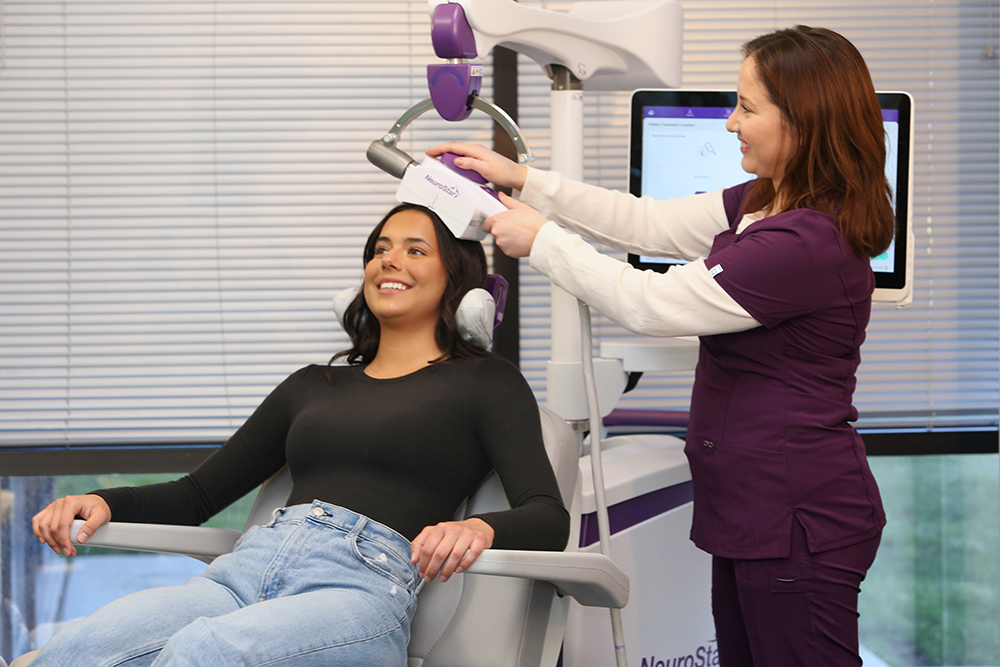
For many people with depression, medication and therapy make a real difference. But for others, symptoms persist even after trying multiple antidepressants. NeuroStar Transcranial Magnetic Stimulation (TMS) offers another path — one that doesn't involve medication at all.
Transcranial Magnetic Stimulation, or TMS, is an FDA-cleared, non-invasive treatment that uses magnetic pulses to stimulate areas of the brain associated with mood regulation. Unlike medication, it doesn't circulate through the bloodstream, which means it avoids many of the systemic side effects people associate with antidepressants.
During a session, a device is positioned near the scalp and delivers targeted magnetic pulses to specific areas of the brain. Sessions typically last around 20–40 minutes, and most treatment plans involve sessions several times a week over a period of weeks. Patients are awake and alert throughout — there's no sedation involved, and you can drive yourself home afterward.
TMS is generally considered for adults with major depressive disorder who haven't found sufficient relief from antidepressant medications, or who want to avoid the side effects that often come with them. It's typically used alongside — not instead of — ongoing psychiatric care.
A first visit usually starts with a psychiatric evaluation to confirm TMS is an appropriate fit, followed by a mapping session to calibrate the treatment to your individual brain anatomy. From there, your provider will walk you through the treatment schedule and what each session involves.
Does it hurt? Most people describe the sensation as a tapping feeling on the scalp. Some report mild discomfort during the first few sessions, which typically decreases over time.
How soon will I notice a difference? Response times vary, but many patients begin noticing changes in mood over the first few weeks of treatment, with continued improvement as the full course progresses.
TMS is offered alongside our psychiatric department, so your treatment plan stays connected to your broader mental health care rather than existing as a standalone service.
If antidepressants haven't worked the way you hoped, TMS may be worth exploring.
